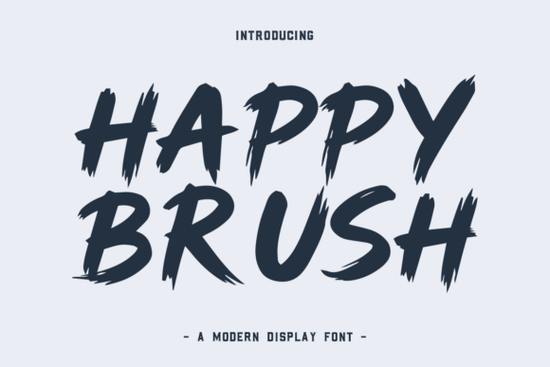
If you’re looking for a typeface that captures the energy of real brush strokes without the mess, Happy Brush Font is a cheerful answer. This font is full of spontaneous, hand-painted charm perfect when your project needs warmth and a hint of playfulness.
What makes a brush font feel so friendly and approachable?
Brush fonts like Happy Brush recreate the look of lettering done with an actual brush and ink. The lines are slightly imperfect, the strokes vary in thickness, and the edges have a subtle texture. That organic quality makes the words feel personal, almost as if you wrote them yourself. When you use a brush script in your designs, you’re not just adding text you’re adding personality and a genuine human touch.
How can I use Happy Brush Font for wedding and party invitations?
Happy Brush shines on invitation suites. Its lively rhythm and casual elegance make names, dates, and headings stand out without feeling stuffy. You can use it for the main couple’s names in a wedding invite, or to add a fun highlight on a birthday card. Because the strokes are clear and readable even at larger sizes, it works beautifully when printed on textured paper or used in digital PDFs. Pair it with a simple serif for body text to keep everything easy to read.
Is this font suitable for small business branding?
Absolutely. Small businesses, especially those with a creative or handmade focus, benefit from a font that feels down-to-earth. A bakery, a pet-sitting service, or a craft supply shop can use Happy Brush on logos, price tags, and thank-you notes. It gives a friendly “we made this for you” feeling. However, keep the use targeted: reserve it for the headline or business name, and choose a clean sans-serif for longer contact info so the design stays professional and legible.
Can I use Happy Brush Font for print-on-demand products?
Yes, it’s a great fit for print-on-demand items like t-shirts, tote bags, mugs, and art prints. The hand-painted look translates well to fabric and ceramics because the texture feels intentional and cozy. Before you upload the design to your shop, make sure you check the font’s commercial license on the product page. Most fonts on Creative Fabrica include a standard commercial use license, but it’s wise to verify, especially if you sell items with the font as the main design element.
What other font styles pair well with Happy Brush?
Mixing fonts can bring out the best in a brush typeface. You can create contrast with a geometric sans or a subtle slab serif for body copy. If your project leans toward a rougher, urban feel, try combining it with a funky grunge font that adds edgy texture. For compact title treatments, a simple stacked font offers clean vertical lines that balance the brush strokes. Rustic themes benefit from a farmstead-inspired typeface that brings a handmade, country touch. When you want whimsy and florals, crafty bloom fonts with delicate botanical details soften the overall look beautifully. And for a breezy, retro vibe, wavy stacked fonts introduce playful movement that feels right at home next to hand-painted lettering.
How do I install the font and start using it?
Getting Happy Brush up and running is straightforward. After you download the file, you’ll typically find OTF or TTF format inside. The process depends on your system:
- Windows: Right-click the font file and select “Install.” You may need to restart your design software for it to appear.
- Mac: Double-click the file and choose “Install Font” in the preview window. The font will be available immediately in most apps.
- iPad or mobile: Use a font manager app, or if your design software supports it, import the file directly through the app’s font menu.
After installation, open your favorite design tool and test different sizes and letter combinations to see how the strokes connect.
Quick tips before you use Happy Brush Font
These small steps help you get the most natural result:
- Type in mixed case rather than all caps to keep the handwritten flow visible. The lowercase connectors give the font its true personality.
- Adjust spacing subtly between letters if they feel too tight or too loose this is common with brush scripts.
- Print a test page at actual size before finalizing, especially for invitations where texture and scale matter in person.
- If you’re pairing with other fonts, limit the total to two typefaces to avoid visual clutter.
- Save a version with outlines when sending files to a printer, ensuring the text renders correctly on any machine.
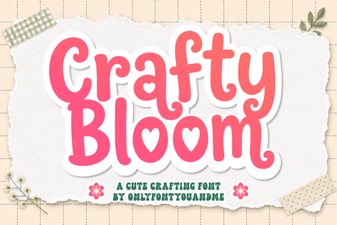 Crafty Bloom Font Design Ideas and Uses
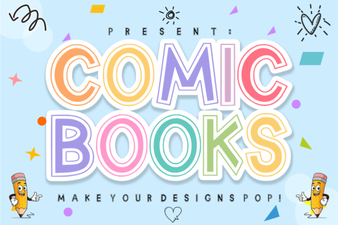 Comic Books Font Design Ideas
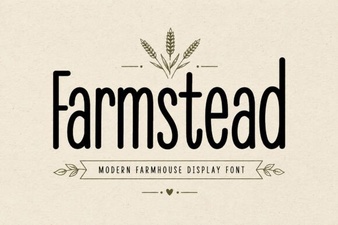 Farmstead Font Design and Creative Project Ideas
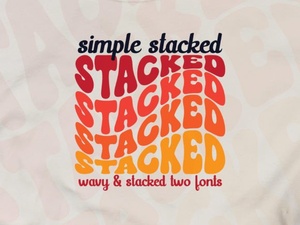 Simple Stacked Font for Creative Design Projects
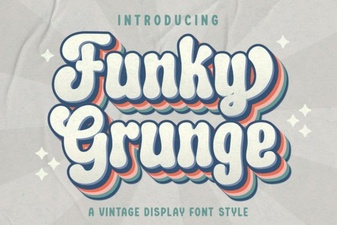 Funky Grunge Font for Bold Design Projects
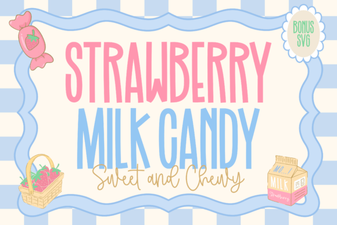 Strawberry Milk Candy Font Design Ideas